Discover the Distinctive Character of Ethiopian Coffee
Ethiopian coffee is among the most distinctive and expressive coffee in the world. Often described as the birthplace of coffee, Ethiopia produces an extraordinary range of flavour profiles shaped by altitude, climate, local varieties and traditional processing methods.
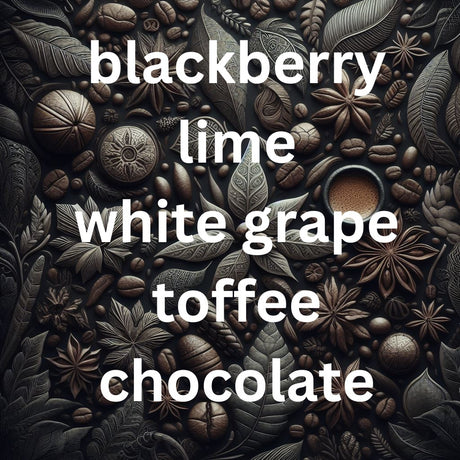
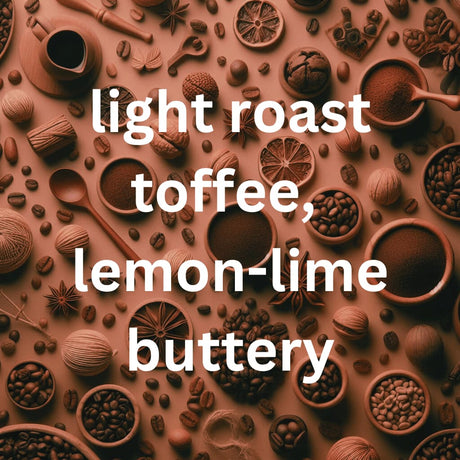
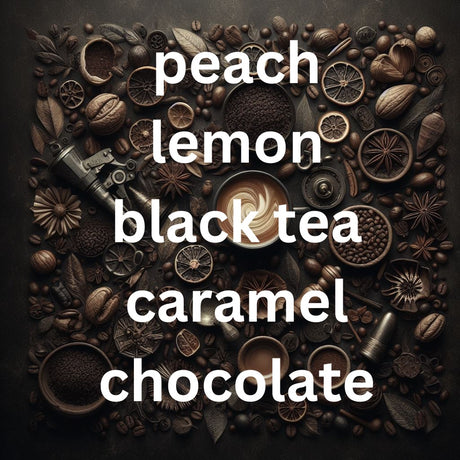
Depending on the region and the way the coffee is processed, Ethiopian coffee beans may display notes of berries, citrus, stone fruit, tropical fruit, florals, wine, spice and chocolate. Some coffees are clean, delicate and tea-like, while others are richer, heavier and intensely fruit-driven.
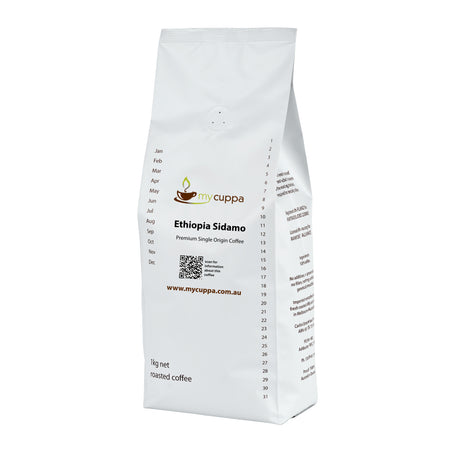
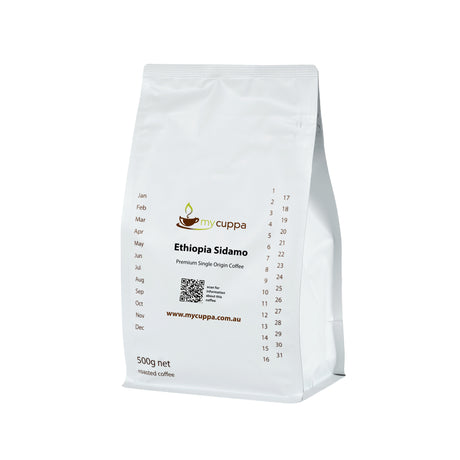
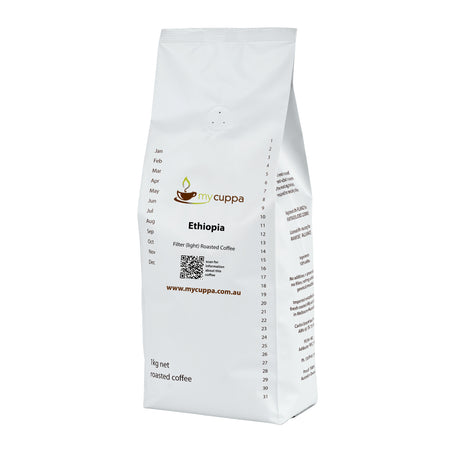
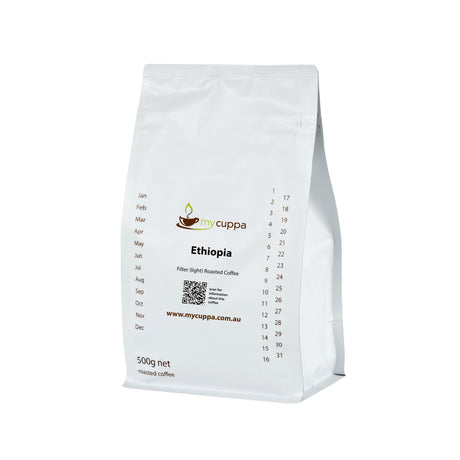
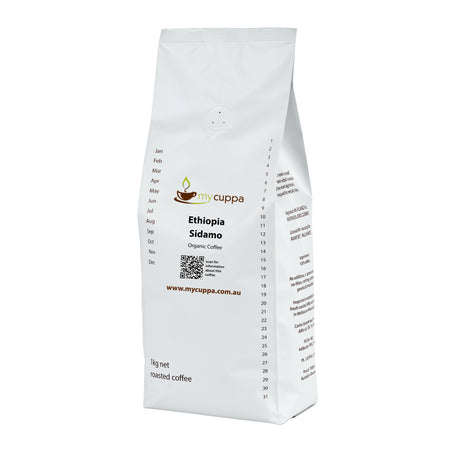
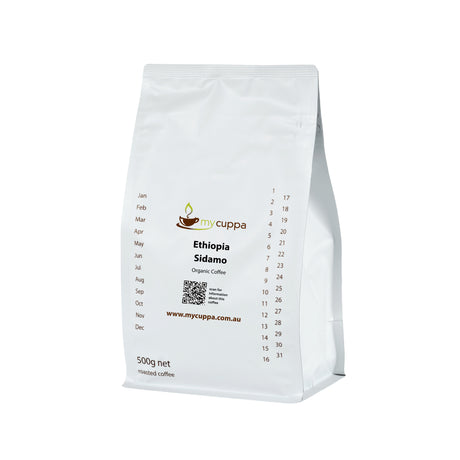
At myCuppa, we offer a broad selection of single-origin Ethiopian coffee, including well-known regional styles such as Yirgacheffe, Sidamo and Harrar, together with an organic Ethiopian option when available.
Why Ethiopian Coffee Tastes So Different
Ethiopia is home to an enormous diversity of coffee varieties, many of which are naturally occurring local selections commonly described as heirloom varieties.
This genetic diversity is one reason Ethiopian coffee can offer such a broad spectrum of flavours. Two coffees grown in different parts of Ethiopia may taste completely different, even when they are harvested during the same season.
Altitude also plays an important role. Many Ethiopian coffees are grown at high elevations, where cooler temperatures slow the ripening of the coffee cherry. This can help produce dense beans with greater sweetness, acidity and flavour complexity.
Yirgacheffe Coffee Beans
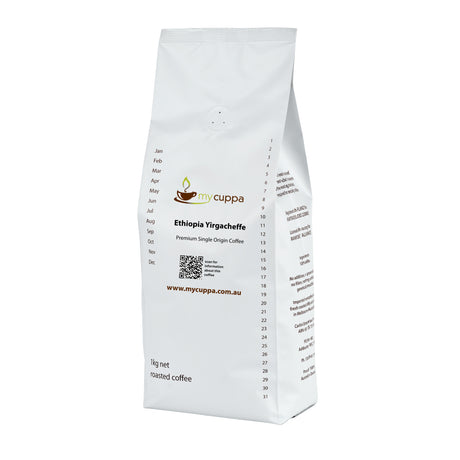
Yirgacheffe is one of Ethiopia’s best-known coffee-growing areas and has become closely associated with high-quality specialty coffee.
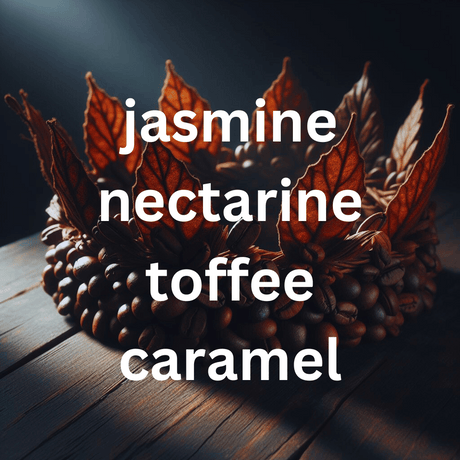
Yirgacheffe coffee is often floral, fragrant and clean, with notes of citrus, jasmine, stone fruit and tea. Washed Yirgacheffe coffees are generally known for clarity and elegance, while naturally processed lots may display more berry sweetness and fruit intensity.
This style of coffee is particularly appealing to customers who enjoy bright, aromatic and refined flavours rather than a heavy, traditional espresso profile.
Sidamo Coffee Beans
Sidamo coffee can offer a wide range of flavours, although it is commonly associated with fruit sweetness, balanced acidity and a smooth, complex cup.
Depending on the lot and processing method, Sidamo coffee may display notes of berries, citrus, stone fruit, florals, caramel or chocolate. Some examples are delicate and clean, while others are richer and more fruit-forward.
Its balance and versatility make Sidamo a good choice for customers who want to explore Ethiopian coffee without necessarily choosing the most intense or unusual profile.
Harrar Coffee Beans
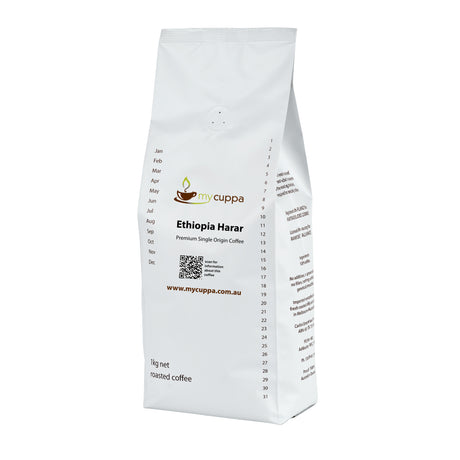
Harrar coffee is often bolder and more rustic than Yirgacheffe or washed Sidamo coffee.
Traditionally processed using the natural method, Harrar coffee may display flavours of blueberry, dried fruit, wine, spice and dark chocolate. It can also have a heavier body and a more intense aroma.
This makes Harrar suitable for drinkers who enjoy strong fruit character, deeper complexity and a less conventional coffee experience.
Washed and Natural Ethiopian Coffee
Processing has a major influence on the final flavour of Ethiopian coffee.
Washed coffee has the fruit removed before the beans are dried. This generally produces a cleaner cup with brighter acidity, clearer flavour definition and more noticeable floral or citrus characteristics.
Natural coffee is dried inside the whole coffee cherry. This longer contact with the fruit can create greater sweetness, body and intense berry or wine-like flavours.
Neither method is inherently better. Washed Ethiopian coffee may appeal to customers who value clarity and delicacy, while natural Ethiopian coffee is often preferred by those who enjoy stronger fruit and a fuller mouthfeel.
Is Ethiopian Coffee Good for Filter Brewing?
Ethiopian coffee is especially well suited to filter brewing methods such as pour-over, batch brew and AeroPress.
These methods can highlight the coffee’s aroma, sweetness and finer flavour detail. Floral, citrus, berry and tea-like characteristics are usually easiest to detect when the coffee is brewed cleanly and consumed black.
Use freshly ground beans, clean water and a medium grind as a starting point. Grind size and brew time can then be adjusted to improve sweetness, balance and clarity.
Ethiopian Coffee for Espresso
Ethiopian coffee can also produce a highly expressive single-origin espresso.
As espresso, it may deliver concentrated berry, citrus, floral, wine or chocolate flavours. The acidity can be more noticeable than in coffees from Brazil or some Central American origins, making Ethiopian espresso particularly appealing to drinkers who enjoy brightness and complexity.
It can be served black or with a small amount of milk. Larger milk-based drinks may reduce some of the delicate floral and fruit characteristics, although naturally processed Ethiopian coffees can still provide considerable flavour intensity.
Organic Ethiopian Coffee
Organic Ethiopian coffee offers customers the opportunity to enjoy the origin’s distinctive flavour while choosing coffee produced under certified organic standards.
Certification governs the way the coffee is grown and handled, but cup quality still depends on the region, variety, harvest, processing and roast profile.
A carefully selected organic Ethiopian coffee can display the same fruit, sweetness, florals and complexity associated with other high-quality Ethiopian lots.
Freshly Roasted Ethiopian Coffee Delivered Across Australia
Freshness is particularly important with Ethiopian coffee because many of its most attractive qualities are found in its aroma and delicate flavour detail.
Our Ethiopian coffee beans are roasted to order in Melbourne and packed promptly for dispatch. Orders placed before our daily cut-off are generally roasted and shipped on the same business day.
Store the coffee in its original sealed bag in a cool, dry place away from heat, moisture and direct sunlight. Grinding immediately before brewing will help preserve its aroma, sweetness and complexity.
Whether you prefer the floral elegance of Yirgacheffe, the balanced complexity of Sidamo or the bold fruit character of Harrar, Ethiopian coffee offers one of the most varied and rewarding single-origin experiences available.