Discover the Smooth, Chocolate-Rich Character of Brazilian Coffee
Brazilian coffee beans are among the most widely enjoyed coffees in the world, and for good reason. They are typically smooth, balanced and naturally sweet, with flavour profiles that are easy to appreciate across a wide range of brewing methods.
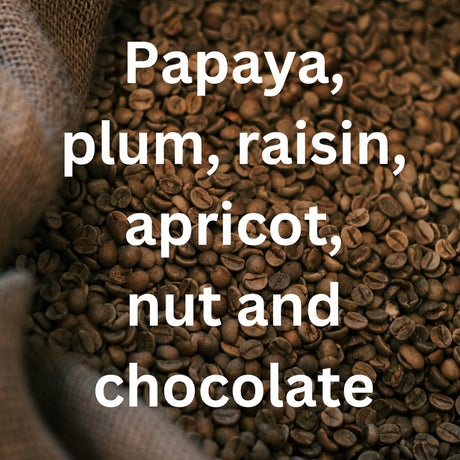
Many Brazilian coffees display familiar notes of chocolate, caramel, nuts and gentle sweetness. Their acidity is usually softer than coffees from many high-grown origins, helping produce a rounded and approachable cup. This makes Brazilian coffee an excellent choice for espresso drinkers, milk-based coffee lovers and anyone looking for a reliable everyday coffee.
At myCuppa, we have deliberately kept our Brazilian coffee range focused. Rather than presenting a long list of similar options, we have selected coffees that offer clear differences in body, processing style and flavour.
Brazilian Coffee for Espresso and Milk-Based Drinks
Brazilian coffee beans are particularly well suited to espresso brewing. Their natural sweetness, lower acidity and strong body can help produce a rich and balanced espresso shot without sharp or overly bright flavours.
In flat whites, lattes and cappuccinos, Brazilian coffee can provide the chocolate and nutty character needed to remain noticeable through milk. This is one reason Brazilian beans are frequently used as the foundation of traditional espresso blends.
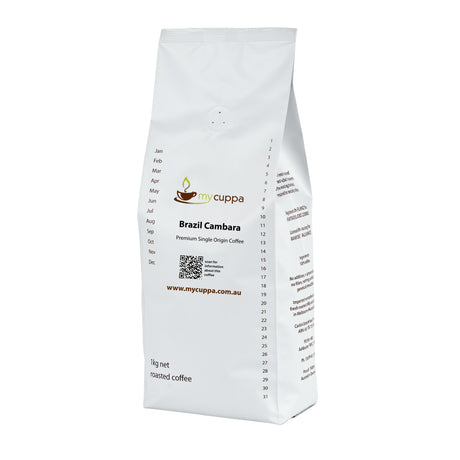
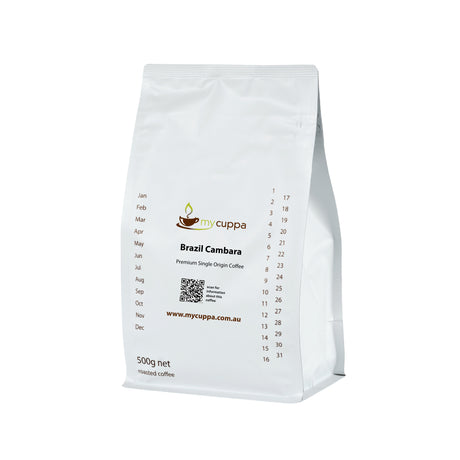
Our Brazil Cambara is the stronger and fuller-bodied option. Its natural processing style contributes to a deeper flavour profile, with dark chocolate and nutty characteristics. It is a suitable choice for customers who prefer intensity, body and a more traditional espresso experience.
Natural and Pulped Brazilian Coffee Beans
Processing has a significant influence on how Brazilian coffee tastes.
Natural-process coffee is dried inside the coffee cherry. This extended contact with the fruit can contribute greater body, sweetness and flavour intensity. Natural Brazilian coffees are often associated with chocolate, nuts, ripe fruit and a heavier mouthfeel.
Pulped or semi-washed Brazilian coffees have much of the fruit removed before drying. This generally produces a cleaner, more structured cup with medium body and greater flavour clarity.
Neither style is inherently better. The right choice depends on whether you prefer a heavier, more intense coffee or a cleaner and more balanced cup.
How to Brew Brazilian Coffee Beans
Brazilian coffee is highly versatile and can be used with most popular brewing methods.
For espresso machines, Brazilian beans can produce a syrupy shot with chocolate sweetness and a smooth finish. They are particularly forgiving and can be easier to dial in than brighter, more acidic single-origin coffees.
For stovetop coffee makers and automatic coffee machines, Brazilian coffee offers body and consistency. It can also work well in plunger, AeroPress and filter brewing, particularly for drinkers who prefer chocolate and nut flavours rather than floral or highly fruity characteristics.
The grind size should always match the brewing method. Fine grinds are suitable for espresso, while medium or coarse grinds are more appropriate for filter and immersion brewing. Whole beans are recommended when you have access to a suitable grinder, as grinding immediately before brewing helps preserve aroma and flavour.
Freshly Roasted Brazilian Coffee Delivered Across Australia
Freshness is essential when buying coffee beans online. Coffee gradually loses aroma and flavour after roasting, especially once the bag has been opened or the beans have been ground.
Our Brazilian coffee beans are roasted to order in Melbourne and packed promptly before dispatch. Orders placed before our daily cut-off are generally roasted and shipped on the same business day.
This roasting process helps ensure you receive coffee that is fresh rather than stock that has been sitting in storage for an extended period. After delivery, store the coffee in its original sealed bag in a cool, dry location away from heat, moisture and direct sunlight.
Whether you prefer the fuller body of Brazil Cambara or the smooth complexity of Brazil Super Blend, both options provide the chocolate sweetness and dependable character that make Brazilian coffee so popular.