Discover the Clean, Balanced Character of Peruvian Coffee
Peruvian coffee is known for its clean sweetness, balanced acidity and smooth, approachable flavour. Grown across high-altitude regions of the Andes, it can produce quality arabica coffee with excellent clarity, structure and complexity.
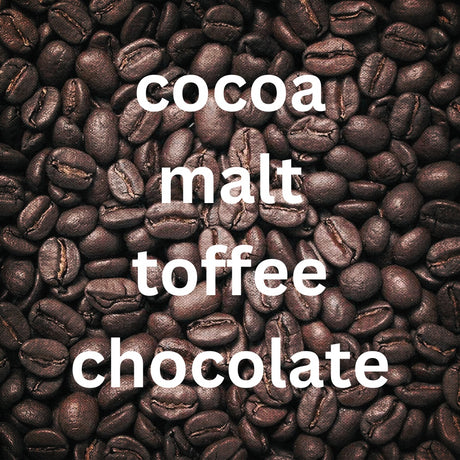
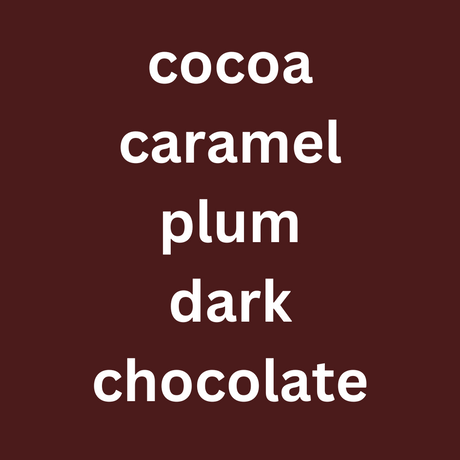
Depending on the region, elevation, variety and processing method, Peruvian coffee beans may display notes of chocolate, caramel, nuts, citrus, stone fruit, berries and gentle florals. Some lots are soft and rounded, while others are brighter and more expressive.
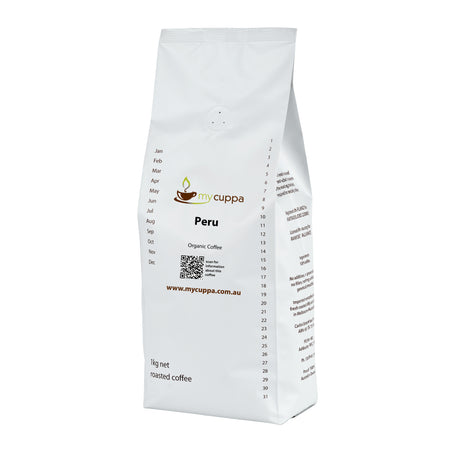
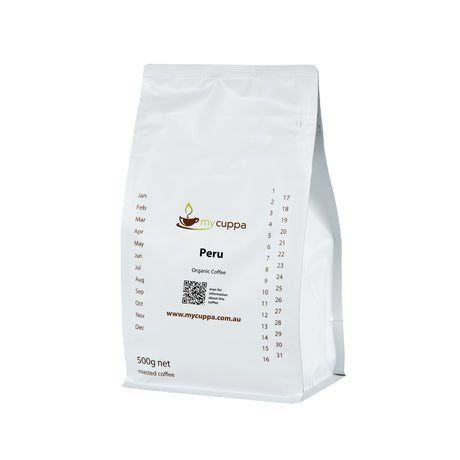
At myCuppa, we regularly offer more than one Peru single-origin coffee, allowing customers to explore different regional and seasonal flavour profiles from this diverse South American origin.
Why Peru Is Well Suited to Growing Coffee
Peru has a combination of altitude, fertile soils, varied microclimates and rich biodiversity that supports quality coffee production.
Many coffee farms are located in mountainous regions of the Andes, where cooler temperatures slow the development of the coffee cherry. This extended ripening period can help produce harder, denser beans with greater sweetness and more concentrated flavour.
The landscape also creates substantial variation between regions and farms. Differences in elevation, rainfall, temperature and soil can produce coffees with noticeably different body, acidity and tasting notes.
This means Peruvian coffee should not be viewed as one single flavour style. It can range from traditional chocolate and caramel profiles to cleaner, fruit-driven specialty lots.
What Does Peruvian Coffee Taste Like?
Peruvian coffee is commonly associated with balance, sweetness and a clean finish.
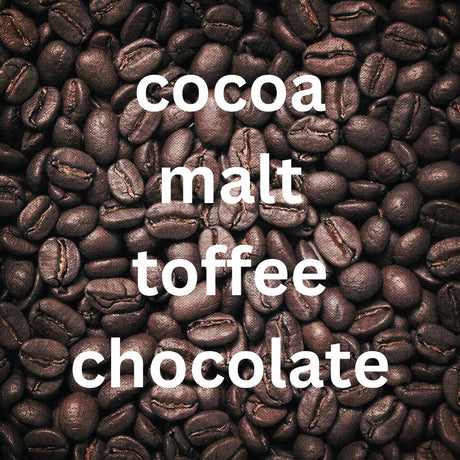
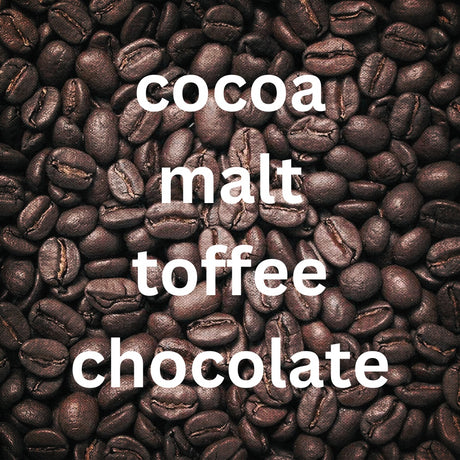
More traditional lots may show milk chocolate, cocoa, caramel and roasted nut flavours. Higher-grown or carefully separated coffees may display citrus, stone fruit, berries, florals or honey-like sweetness.
The acidity is usually clear but approachable, adding freshness without overwhelming the cup. Body often ranges from light to medium, although some coffees can feel fuller when prepared as espresso or plunger.
This balanced profile makes Peru suitable for customers who want more flavour detail than a heavy, low-acidity coffee without moving toward the intensity of some Kenyan or Ethiopian origins.
Is Peruvian Coffee Good for Espresso?
Peruvian coffee can produce a smooth and balanced single-origin espresso.
Chocolate, caramel and nutty coffees often create a familiar shot with good sweetness and medium body. Brighter lots may show citrus or fruit notes while still retaining enough balance to remain approachable.
Peruvian coffee can also perform well in espresso blends. It may contribute sweetness, clarity and structure without dominating the other origins.
Correct grinder adjustment is important. A fast, under-extracted shot may taste weak or sharp, while excessive extraction can reduce sweetness and introduce bitterness or dryness.
Peruvian Coffee with Milk
Peruvian coffee is well suited to flat whites, cappuccinos and lattes.
Chocolate, caramel and nut flavours combine naturally with milk, creating a smooth and rounded drink. The coffee’s balanced acidity can help it remain clear without tasting sharp.
Smaller milk drinks usually preserve more of the coffee’s individual character. In a larger latte, a stronger espresso recipe may help maintain flavour intensity.
Customers who enjoy Colombian, Honduran or Mexican coffee may find the balanced style of Peru similarly approachable.
Is Peruvian Coffee Good for Filter Brewing?
Peruvian coffee can perform very well as pour-over, batch brew or AeroPress.
Filter brewing can highlight its clean acidity, aroma and finer fruit characteristics. Citrus, stone fruit, berries and florals may become more noticeable as the coffee cools.
A medium grind is a useful starting point for many filter methods. If the coffee tastes thin or sour, try a finer grind or longer brew time. If it tastes bitter, dry or heavy, use a coarser grind or reduce the contact time.
Freshly ground coffee and clean brewing water will also help improve sweetness and flavour clarity.
Organic Peruvian Coffee
Peru is one of the world’s important producers of certified organic coffee.
Much of this coffee is grown by small farming communities and cooperatives in remote mountainous regions. Organic certification governs the farming and handling methods used throughout the supply chain.
However, not every Peruvian coffee is certified organic, and certification alone does not determine flavour or specialty quality. Cup quality still depends on altitude, variety, cherry ripeness, processing, drying, storage and roasting.
A carefully selected organic Peru coffee can offer excellent sweetness, balance and complexity while meeting certified production requirements.
Sustainability and Coffee Farming in Peru
Coffee provides an important source of income for many rural families in Peru.
The country’s coffee sector includes a large number of small-scale producers, cooperatives and community-based supply networks. These structures can help farmers combine production, improve access to processing and connect with international buyers.
Sustainable farming practices may include soil protection, shade management, water conservation and reduced dependence on synthetic inputs. The exact methods vary between farms and certifications.
Purchasing quality coffee through established supply relationships can help create stronger demand for careful harvesting, processing and environmental management.
Peru Coffee-Growing Regions
Coffee is produced across several regions of Peru, including Cajamarca, Amazonas, San Martín, Junín, Cusco and Pasco.
Cajamarca is one of the country’s best-known specialty coffee regions and can produce clean, sweet coffees with chocolate, caramel, citrus and fruit characteristics.
Junín and Cusco also contain elevated growing areas capable of producing complex arabica coffee, while San Martín has developed into a significant coffee-producing region with a broad range of flavour profiles.
Regional names provide useful context, but the farm, altitude, variety and processing method remain essential when evaluating the flavour of an individual lot.
Peruvian Coffee Compared with Other South American Origins
Peruvian coffee often sits between the soft familiarity of Brazilian coffee and the brighter structure of many Colombian coffees.
Compared with Brazil, Peru may offer a cleaner body and more noticeable acidity. Compared with Colombia, it can be slightly softer or more delicate, although individual lots vary considerably.
Peruvian coffee may also display fruit and floral characteristics, but it is usually less intense than premium Kenyan coffee and less exotic than some naturally processed Ethiopian coffees.
Its strength is balance. Peru can offer sweetness, clarity and complexity while remaining easy to enjoy.
Best Brewing Methods for Peruvian Coffee
Peruvian coffee is versatile and can be prepared using espresso machines, automatic coffee machines, pour-over, batch brew, AeroPress, plunger and stovetop brewers.
Espresso tends to emphasise sweetness, body and chocolate characteristics. Filter methods can reveal greater clarity, acidity and fruit detail.
AeroPress can provide a balance of body and cleanliness, while plunger brewing creates a rounder mouthfeel. Stovetop brewing produces a stronger and more concentrated cup.
Whole beans are recommended when a suitable grinder is available. Grinding immediately before brewing helps preserve aroma and allows the grind size to be adjusted correctly for each method.
Choosing the Right Peru Coffee Beans
The best Peruvian coffee depends on how you brew and the flavours you prefer.
For espresso or milk-based drinks, look for tasting notes such as chocolate, caramel, nuts, sweetness and medium body. For filter brewing or black coffee, citrus, stone fruit, berries, florals and cleaner acidity may be more appealing.
Because we may offer several Peru coffees at the same time, check the individual product descriptions for current tasting notes, processing details and brewing recommendations.
Seasonal lots can vary, so choosing by flavour profile is often more useful than relying on the origin name alone.
Freshly Roasted Peruvian Coffee Delivered Across Australia
Freshness helps preserve the sweetness, aroma and clean flavour of Peruvian coffee.
Our Peru coffee beans are roasted to order in Melbourne and packed promptly for dispatch. Orders placed before our daily cut-off are generally roasted and shipped on the same business day.
Store the coffee in its original sealed bag in a cool, dry place away from direct sunlight, heat and moisture. Grind only the amount required immediately before brewing whenever possible.
Whether enjoyed as espresso, filter coffee, black coffee or with milk, Peruvian coffee offers a clean, versatile and rewarding single-origin experience.